Decades on the ground
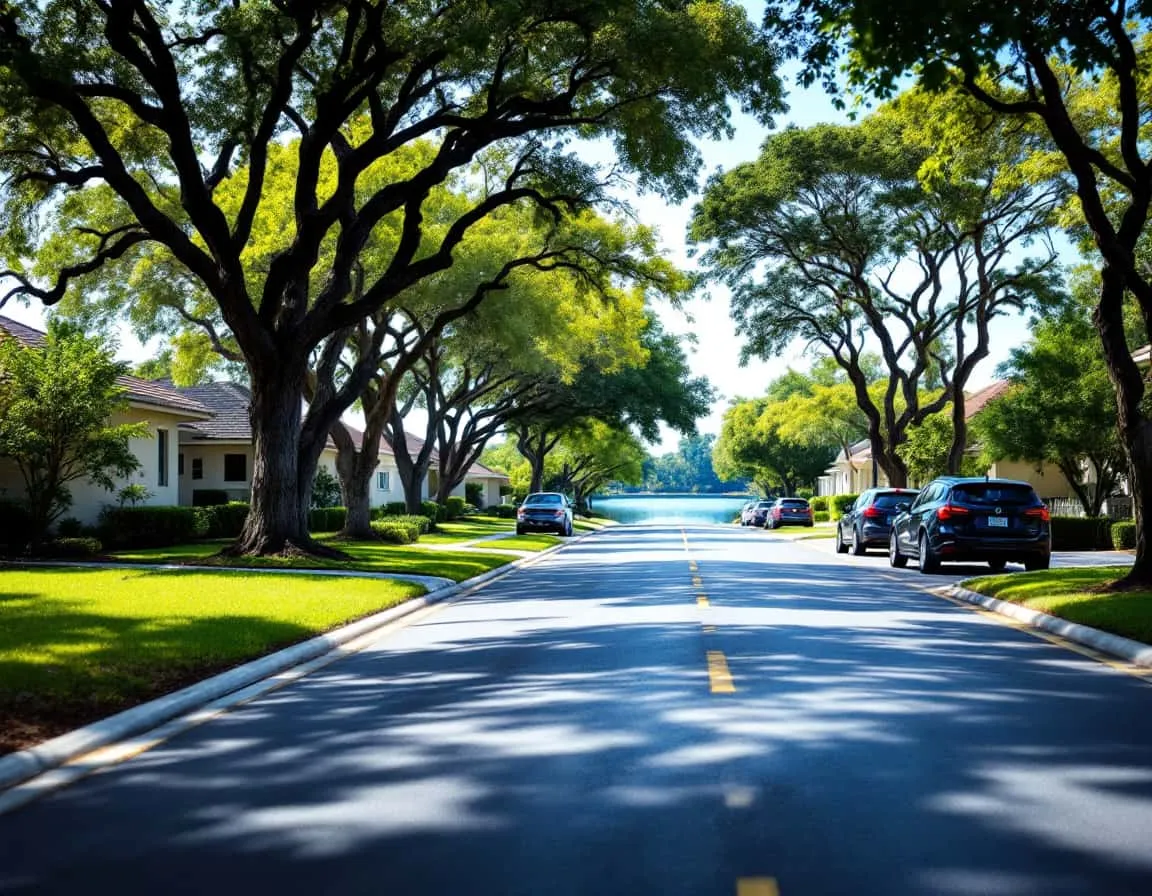
Broward’s largest city built its canal-front core between the 1920s and the 1950s -- the era behind the old "Venice of America" nickname.
Fort Lauderdale: the line is open
15 kilometers of Broward County separate the Tamarac base from Fort Lauderdale -- just up the road, the kind of call that does not sit on a schedule.
Does dispatch actually reach Fort Lauderdale?
Yes -- Broward’s largest city is fully covered, and its size does not slow dispatch down; a call from Rio Vista gets routed the same way as one from Coral Ridge or Victoria Park.
Fort Lauderdale built its canal-front core between the 1920s and the 1950s, the era behind the old "Venice of America" nickname, and that extensive canal network means a larger share of housing here sits in mapped flood zones than in a comparable inland city. Historic canal-front neighborhoods share the map with a modern downtown and beach high-rise corridor, so the plumbing behind a Rio Vista bungalow looks nothing like what is behind a downtown tower. Septic barely registers here -- a municipal utility handles both water and sewer citywide, through the City of Fort Lauderdale building department.
Between Rio Vista’s canal frontage, Victoria Park’s older inland streets, and Coral Ridge closer to the Intracoastal, three very different plumbing profiles sit inside a few miles of each other.
On the ground
The facts that change how a job gets handled here.
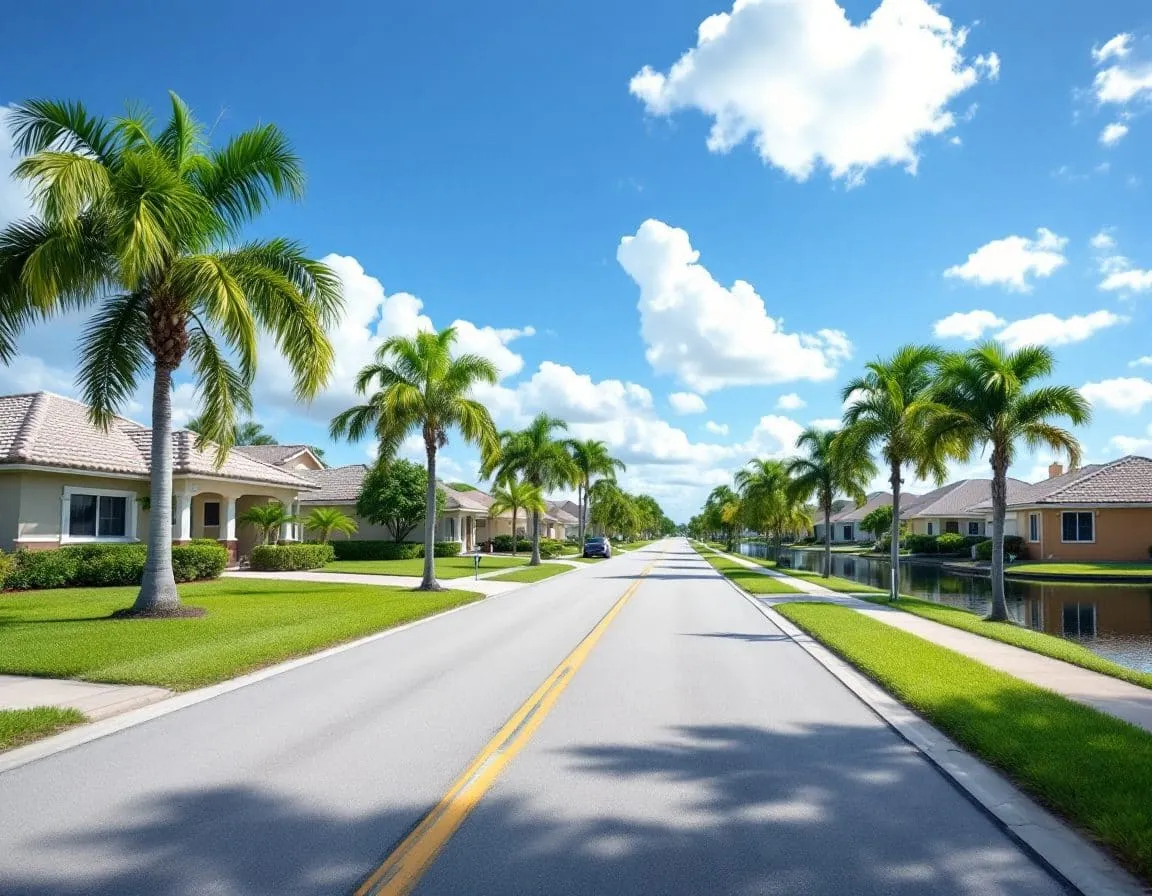
Broward’s largest city built its canal-front core between the 1920s and the 1950s -- the era behind the old "Venice of America" nickname.
Historic canal-front neighborhoods share the map with a modern downtown and beach high-rise corridor.
Septic barely registers in Fort Lauderdale -- a municipal utility handles both water and sewer citywide.
Between the extensive canal network and the beachfront, a larger share of housing here sits in mapped flood zones than a comparable inland city.
Inside Fort Lauderdale
Not every street in Fort Lauderdale tells the same story.
The original 1920s canal-front neighborhood, where an untouched cast iron drain line is still a real possibility.
An established neighborhood east of downtown, built mostly during the 1940s and 1950s.
Seawall-adjacent lines here corrode faster than inland fittings, a byproduct of the neighborhood’s heavy 1950s-60s canal-front build-out.
The paperwork side
The permitting reality for Fort Lauderdale, spelled out plainly.
Good to know
That is part of Fort Lauderdale, so it is part of the coverage -- Victoria Park included, no exceptions.
Sometimes -- broward’s largest city built its canal-front core between the 1920s and the 1950s -- the era behind the old "Venice of America" nickname. It changes what is in the truck, not whether someone shows up.
A slow weep can often sit for a day or two; a tank actively pooling water on the floor should not.
No -- weekends and holidays get the same live answer as any weekday, with a plumber dispatched the same way.
Call anyway and describe it. Whoever answers has heard most of it before and can tell you what it needs.
Water that will not stop, sewage backing up, or no water reaching the house at all. A slow drip can wait for a scheduled visit.
Nearby
Live dispatch
Tell dispatch what is going on in Fort Lauderdale and the rest gets handled from there.
No separate booking process for Fort Lauderdale -- same phone, same crew.