
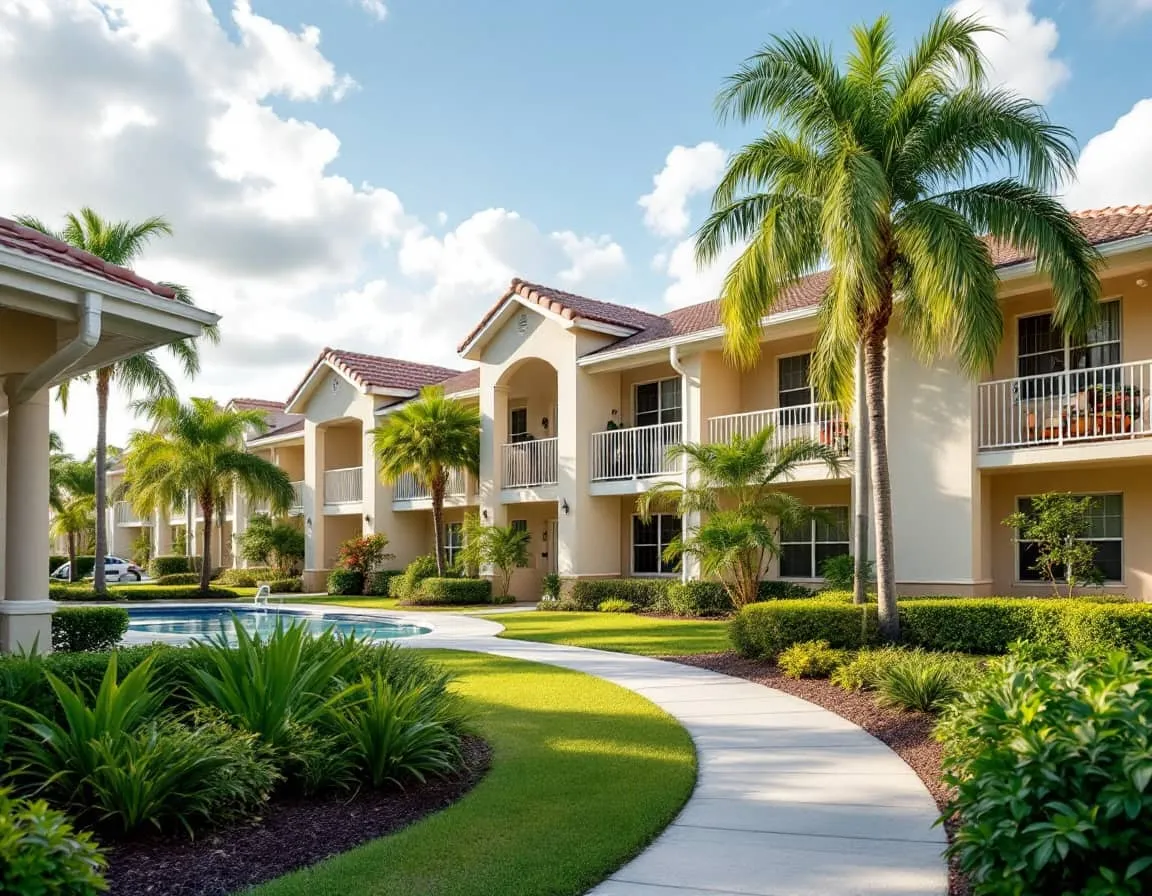
When it was mostly built
South Beach came first, its pastel low-rises going up between the 1920s and the 1940s -- Mid-Beach and North Beach caught up two decades later.
Round-the-clock coverage in Miami Beach
48 kilometers of Miami-Dade County separate the Tamarac base from Miami Beach -- part of the wider three-county area, because a pipe that let go does not care about the calendar.
Is Miami Beach covered for emergency plumbing?
Yes -- Miami Beach is fully covered, and a barrier-island city like this one is dispatched the same way as any address on the mainland.
South Beach came first, its pastel low-rises going up between the 1920s and the 1940s, with Mid-Beach and North Beach catching up two decades later; condo and converted-hotel buildings dominate the map now, with single-family streets surviving mainly on the Venetian Islands. City utility handles water and sewer here, and king-tide flooding is real enough that the city funds its own pump-station work -- a genuine factor for backflow and drainage questions on this island. The entire barrier island falls inside mapped coastal flood zones, and permits go through the City of Miami Beach building department, with historic-preservation review added in the Art Deco and MiMo districts.
South Beach’s converted low-rises, Mid-Beach’s mid-century towers, and North Beach’s later construction each carry a different plumbing profile, on top of the city’s own king-tide drainage work.
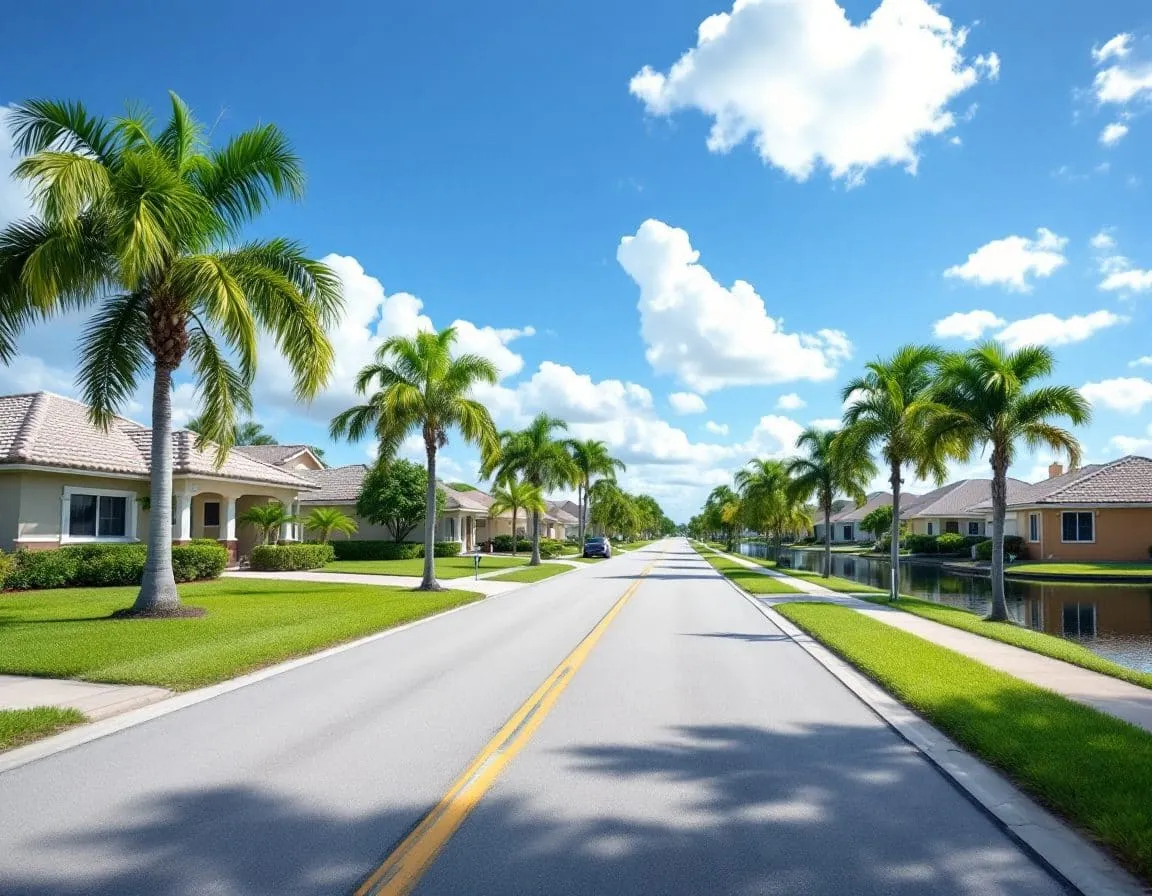
Before the first fitting
The facts that change how a job gets handled here.
South Beach came first, its pastel low-rises going up between the 1920s and the 1940s -- Mid-Beach and North Beach caught up two decades later.
Condo and converted-hotel buildings dominate; single-family streets survive mainly on the Venetian Islands.
City utility handles water and sewer; king-tide flooding is real enough that the city funds its own pump-station work.
Inside Miami Beach
Not every street in Miami Beach tells the same story.
Pre-1940s Art Deco construction means original cast iron or galvanized risers are still likely here.
Built mostly during the 1950s-60s hotel boom, a couple decades newer in plumbing than South Beach.
Pockets of 1930s-era Art Deco sit next to apartment buildings added decades later, so plumbing age varies block to block.
The paperwork side
The permitting reality for Miami Beach, spelled out plainly.
Good to know
That is part of Miami Beach, so it is part of the coverage -- North Beach included, no exceptions.
Sometimes -- south Beach came first, its pastel low-rises going up between the 1920s and the 1940s -- Mid-Beach and North Beach caught up two decades later. That gets factored into the call before anyone is dispatched.
Same day, every time -- exact timing depends on where the call is coming from and what else is already in progress.
Yes. Get everyone out, do not touch a light switch or anything with a flame, and make the call once you are clear of the building.
Yes, if it turns out worse once someone is on site -- that gets flagged and handled the same visit when possible.
Nearby
Live dispatch
The form works too, if talking is not an option right now -- either way, Miami Beach gets a callback.
Nothing about Miami Beach slows the response down.