
Repair and replacement
Well pump repair and replacement
A plumber checks pressure at the tank, the pump’s electrical connection, and the pump itself to find why output has dropped or stopped, then repairs or replaces the pump and pressure tank as the diagnosis calls for.
- Pressure tank and pump both checked, not just one or the other
- Irrigation wells and private water supply wells, diagnosed the same way
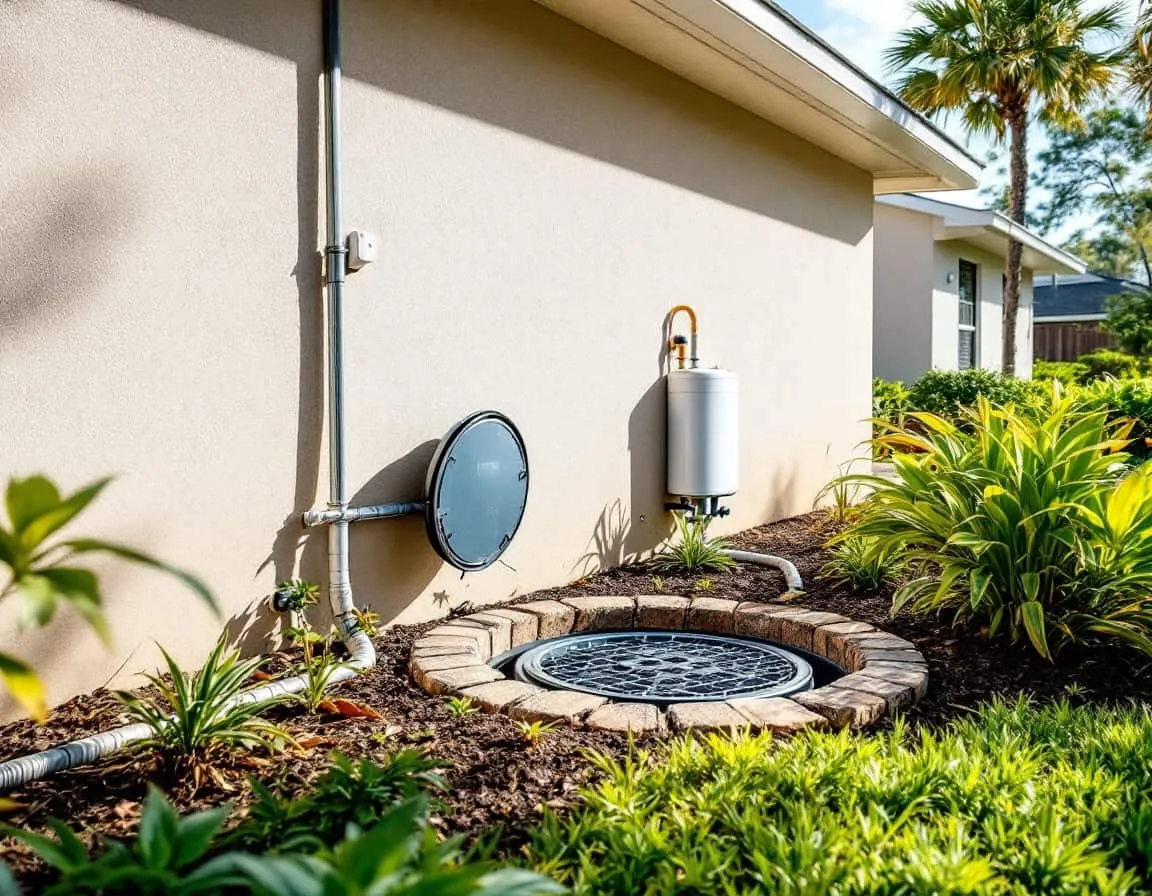
Why has my well pump lost pressure or stopped running?
A drop in pressure usually points to one of a few places: the pressure tank’s air charge has fallen out of range and needs recalibrating, the pump itself is wearing out and can no longer build pressure the way it used to, or a pressure switch has drifted out of adjustment and is cycling the pump incorrectly. A pump that has stopped entirely is more often an electrical issue: a tripped breaker, a failed capacitor, or the pump’s motor itself has failed after years of use.
On an irrigation well specifically, a change in output can also mean the well itself is drawing less water than it used to, which is a different conversation than a pump repair. Checking the tank, the electrical side and the pump in that order usually narrows it down quickly. On a private well, water quality is checked alongside pressure, since a changing taste or color points to a different cause than pressure loss alone.
Signs to watch for
What a failing well pump usually looks like
Applies to both irrigation wells and private water supply wells. Anything on this list is worth a call rather than waiting to see if it resolves on its own.
Noticeably lower water pressure
Water pressure has dropped gradually or suddenly compared to normal.
The pump cycles on and off rapidly
Short-cycling, often a sign of a pressure tank or switch issue.
No water at all
The pump is not running, often an electrical problem rather than the pump itself.
Unusual noise from the pump
Grinding or straining sounds, often a sign the motor is nearing the end of its life.
A change in water taste or color
On a private supply well, this can point to a pump, casing, or water-table issue and is worth checking alongside any pressure changes.
The pressure tank waterlogged or heavy
A tank that has lost its air charge makes the pump work harder and cycle more often than it should.
Questions
What people ask before booking
Do you work on irrigation wells or just supply wells?
Both, irrigation well pumps and private water supply wells are diagnosed the same way, starting with pressure and electrical checks.
Is a pressure tank the same as the pump?
No, they are separate components that work together; a problem can be in either one, which is why both are checked.
How long does a well pump last?
It varies with use and water conditions, but age combined with a specific symptom is what a plumber uses to judge whether repair or replacement makes more sense.
Can this wait, or is it urgent?
A total loss of water supply is treated as urgent, while a gradual pressure drop can usually be scheduled; call and describe what you are seeing.
How often should a well pump system be serviced?
There is no fixed schedule that fits every well, but a pressure and electrical check every couple of years catches most problems before they become a total loss of water.
Can a failing pump damage the pressure tank too?
Yes, a pump that is short-cycling or straining puts extra wear on the pressure tank and switch, which is why both get checked together rather than just the component that seems obviously broken.
Losing pressure or water entirely?
Get the pump and tank checked properly
Describe what changed, whether pressure, noise, or no water at all, and we will tell you what to expect. Tell us whether this is an irrigation well or a private water supply, and what changed.
No obligation. A quick check often tells you which part is actually failing.