
Whole-house and partial repiping
Repiping when a supply line has failed more than once
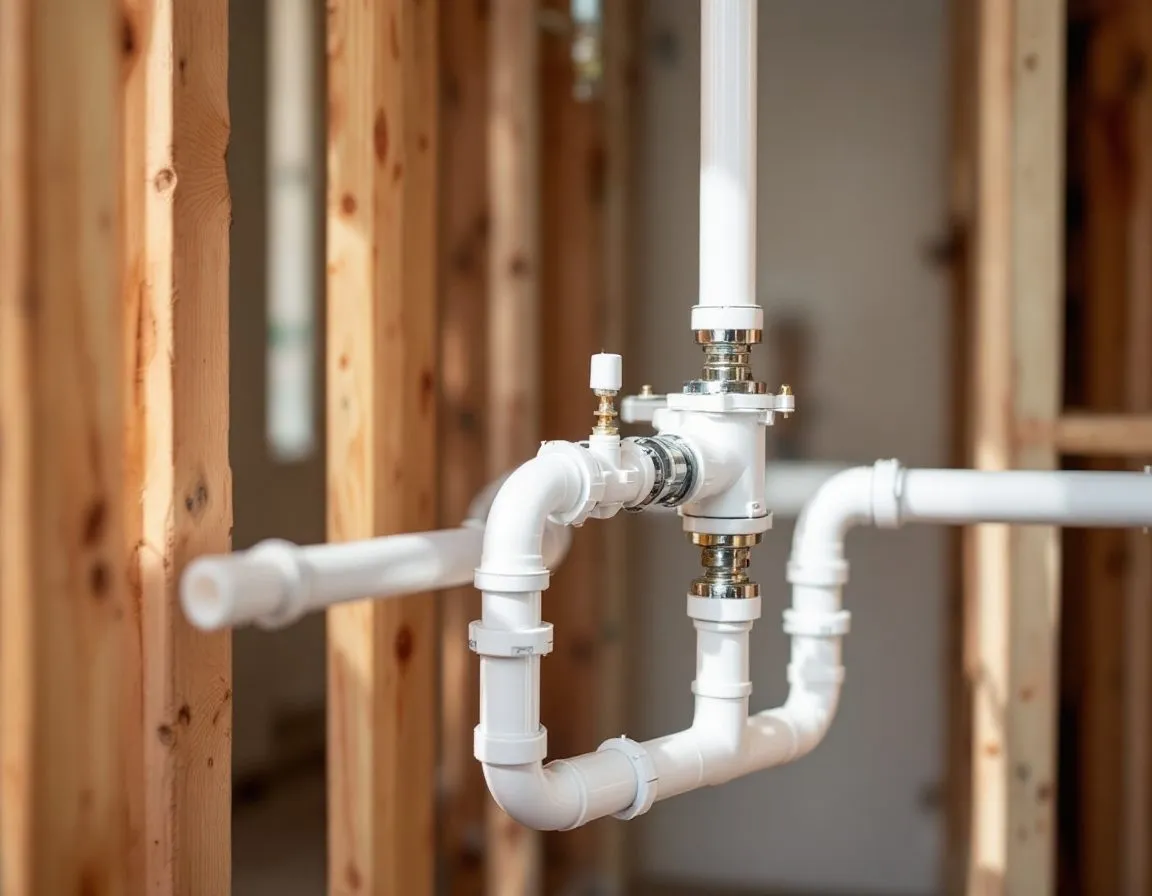
A plumber maps the existing supply lines, identifies the material and where it runs, and replaces it in sections or throughout the house with modern PEX or copper, working room by room to keep the property livable during the job.
- Whole-house or partial, mapped before work starts
- Existing material identified, not assumed
How do I know if I need to repipe the whole house?
A single pinhole leak in an otherwise sound copper line is a repair, not a reason to repipe. Whole-house repiping becomes the right call when the same type of failure keeps happening in different spots, because the pipe material itself is at the end of its life, or when the home has polybutylene supply lines, common in homes built and plumbed during the 1980s, which are prone to failure at the fittings regardless of how well the rest of the system has held up. A plumber can identify the material and pattern of failures and tell you honestly which situation you are in.
Partial repiping is also common: replacing just the section feeding a problem area, like a kitchen or a bathroom, rather than the entire house, when the rest of the system is in good condition. Raising a pattern like this early gives a plumber the chance to map the whole system, not just react to the next leak.
Signs to watch for
What usually points to a repiping conversation
These are worth bringing up when you call, even if nothing feels urgent yet. Any one of these on its own is worth a call; more than one together usually means the whole system should be looked at.
Polybutylene supply lines
Gray plastic pipe common in homes built through the 1980s, known for fitting failures over time.
Repeated pinhole leaks in copper
More than one small leak has shown up in copper supply lines over the past year or two.
Low or uneven water pressure
Pressure has dropped noticeably, sometimes a sign of corrosion narrowing the inside of old pipe.
Discolored water at multiple fixtures
Rusty or metallic-tasting water from more than one tap, not just after the water has been off.
A water heater or fixture installed decades apart
Mismatched ages across the same supply system often mean some runs were never brought up to the newer material.
Visible corrosion where pipe is exposed
Green or white buildup at a visible joint, such as under a sink or at the water heater, is worth having checked even without an active leak.
Questions
What people ask before booking
Do I have to move out during repiping?
Usually not: work is typically done room by room so the house stays livable, though water is off temporarily in the area being worked on.
How do you know if I have polybutylene pipe?
A plumber can identify it visually where pipe is exposed, such as at the water heater or under a sink, along with the age and history of the home.
Is repiping covered by a permit?
Yes, repiping in Tamarac requires a permit through the city’s building department, which is handled as part of the job.
PEX or copper: which is better?
Both are used today; which fits depends on the home, the budget conversation you have directly with the plumber, and any specific concerns you raise.
Does repiping happen all at once or in stages?
Both are options: some homes are repiped fully in a coordinated job, and others are done section by section as budget or urgency dictates, which a plumber can lay out for you.
Will my water pressure improve after repiping?
Often yes, since corrosion and scale narrow the inside of old pipe over the years; replacing it with a full-diameter line typically restores pressure that had been gradually dropping.
More than one leak this year?
Find out if it is time to repipe
A pattern of repeated failures is worth a real conversation, not another one-off patch. Mention what you are seeing and when it started, even if it still seems minor.
No obligation. Tell us what has been failing and where, and we will tell you what we think.