
Repair and replacement
Toilet repair, from a running tank to a full replacement
A plumber checks the flapper, fill valve and flush mechanism inside the tank first, since most running or weak-flush toilets trace back to one of those, and replaces the fixture (bowl, tank and wax ring) when the porcelain itself has failed.
- Tank internals checked first, before a full fixture swap is suggested
- Bolted down leak-free when a bowl or tank is replaced
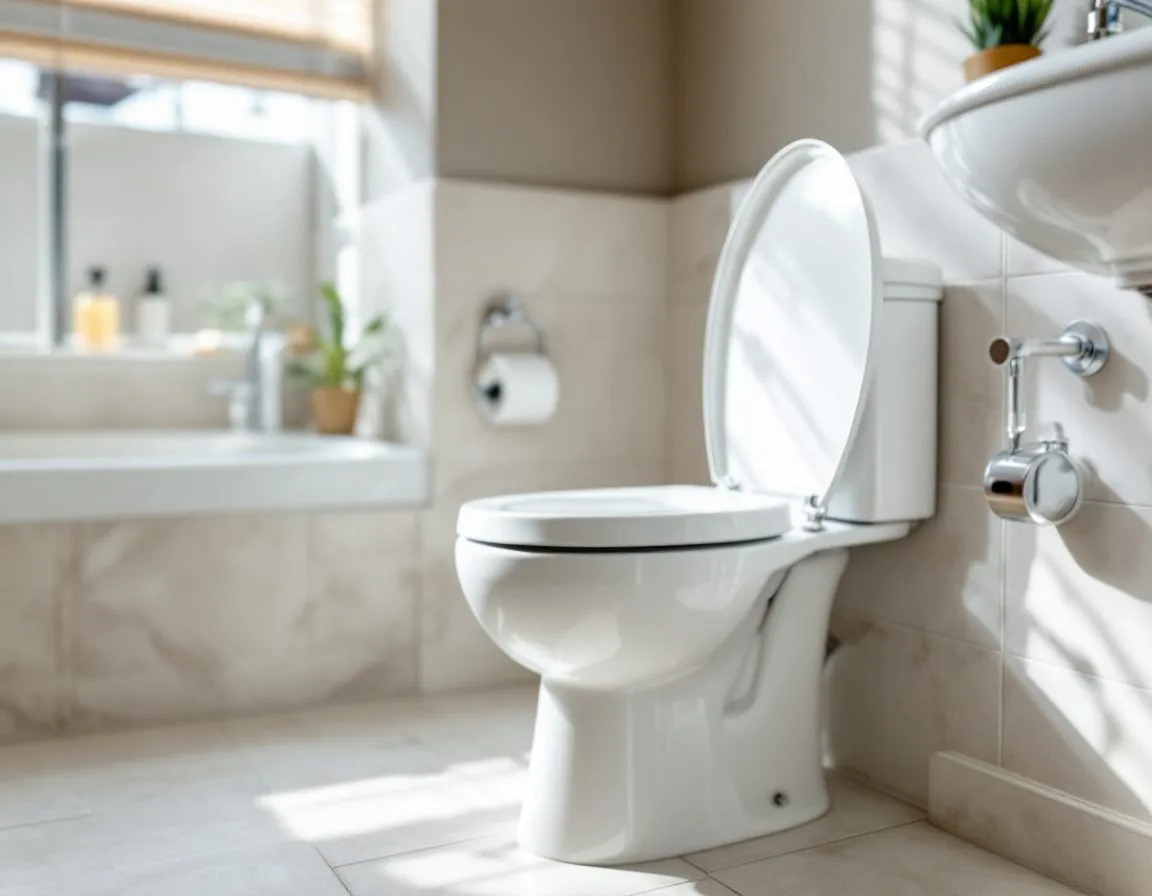
Why does my toilet keep running after it flushes?
A toilet that keeps running almost always comes down to one of two parts inside the tank: a flapper that has stopped sealing tightly against the flush valve and lets water trickle into the bowl, or a fill valve that never fully shuts once the tank reaches its set water level. Both are common, inexpensive parts to swap out and neither usually calls for touching the bowl or the supply line at all.
A weak or incomplete flush is often a separate issue entirely: sometimes the same worn flapper, sometimes a partially clogged rim or siphon jet, or in an older toilet, simply a design that used more water and flushed harder than a newer low-flow model does today. A plumber checks the mechanism directly instead of guessing which part is actually behind it. A rocking bowl gets the same attention: the bolts and wax ring are checked together, since tightening one without the other rarely holds for long.
Signs to watch for
What usually brings a toilet repair call
Most toilet issues fall into one of these categories. A toilet that runs occasionally is different from one that never stops; both get diagnosed the same careful way.
Running continuously
Water trickles into the bowl or refills the tank on its own between flushes.
Weak or incomplete flush
Waste is not fully cleared and a second flush is often needed.
Rocking or unstable bowl
The toilet shifts slightly when sat on, often a sign the wax ring seal or bolts need attention.
Water at the base of the toilet
Moisture pooling around the bottom of the bowl, often pointing to a failed wax ring seal.
A tank that refills on its own overnight
Water trickling in without anyone using the toilet points to a fill valve or flapper that is not sealing correctly.
A flush handle that needs jiggling
A handle or chain that needs adjusting to stop running is a quick, common fix rather than a sign of a bigger problem.
Questions
What people ask before booking
Is a running toilet actually worth calling about?
Yes, it adds up on your water bill more than most people expect, and the fix itself is typically quick and inexpensive.
Do you replace the whole toilet or just parts?
Both, depending on what is actually wrong: a plumber checks the tank internals and the seal at the base before recommending a full replacement.
Can a rocking toilet cause bigger problems?
Yes, an unstable bowl can eventually break the wax ring seal and lead to a leak at the base, so it is worth having checked.
How long does a toilet replacement take?
Most toilet replacements are completed within a single visit.
How much water does a running toilet actually waste?
It can run into hundreds of gallons a day depending on how badly it is leaking, which is why it is worth calling about even when it seems like a minor annoyance.
Is a toilet from the same era as the house worth repairing?
Usually yes if the porcelain itself is sound; a plumber checks the bowl and tank condition first and only recommends replacement when the fixture itself, not just its internal parts, has failed.
Toilet running or rocking?
Get it fixed, or replaced properly
Describe what the toilet is doing and we will tell you whether it is a quick repair or worth replacing. Tell us what it is doing, whether running, rocking, or leaking at the base.
No obligation. A running toilet is usually a fast, simple fix.